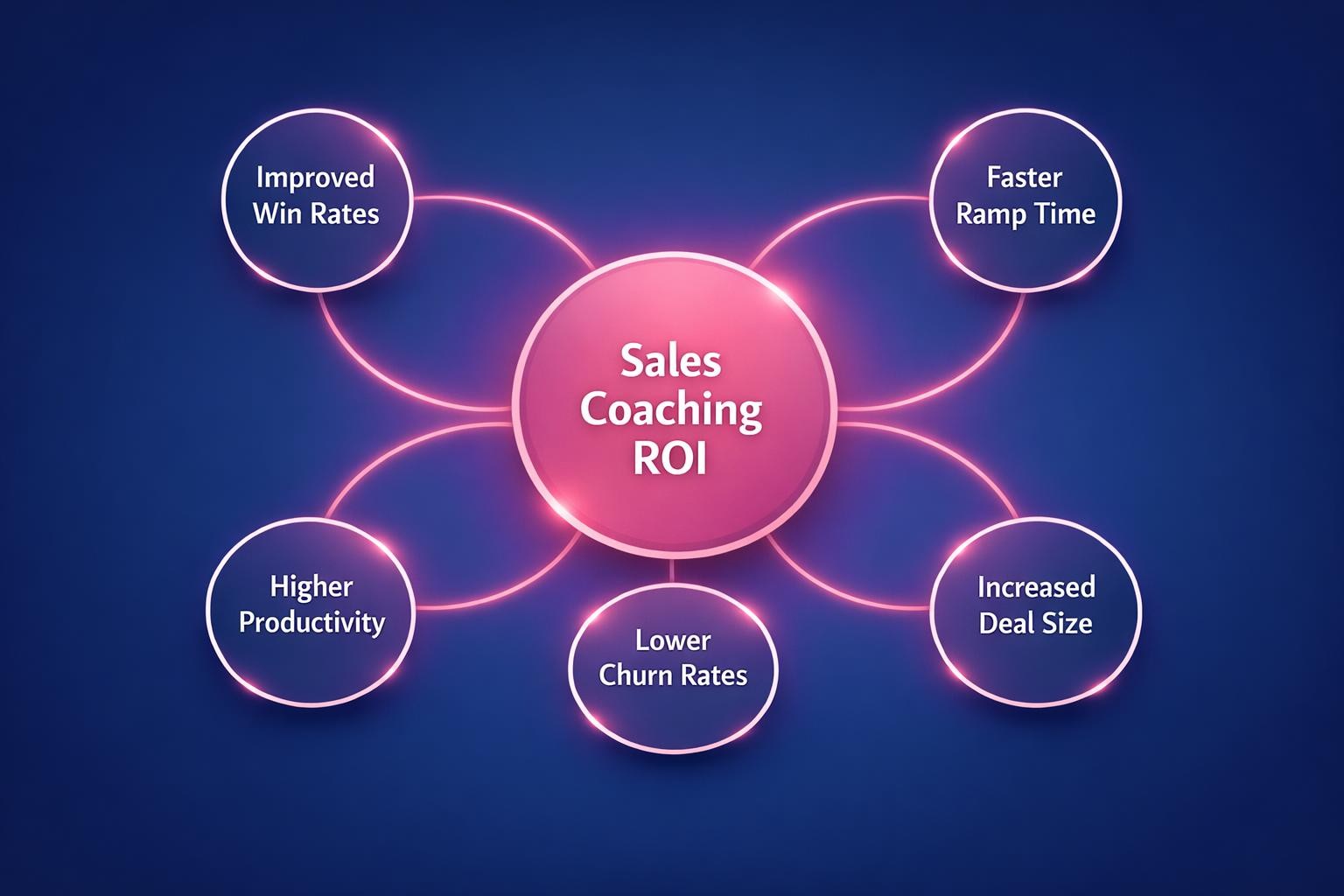
Use this framework to evaluate sales coaching with documented standards, opportunity data, leading indicators, lagging indicators, and recurring reviews.
Audit the current state
Start with an honest audit. Review recent opportunity data by representative, segment, deal size, and pipeline stage. Identify where opportunities leave the funnel and establish a baseline.
Compare the data with the account narrative. Prioritize two or three specific improvements for the first 90-day measurement cycle.
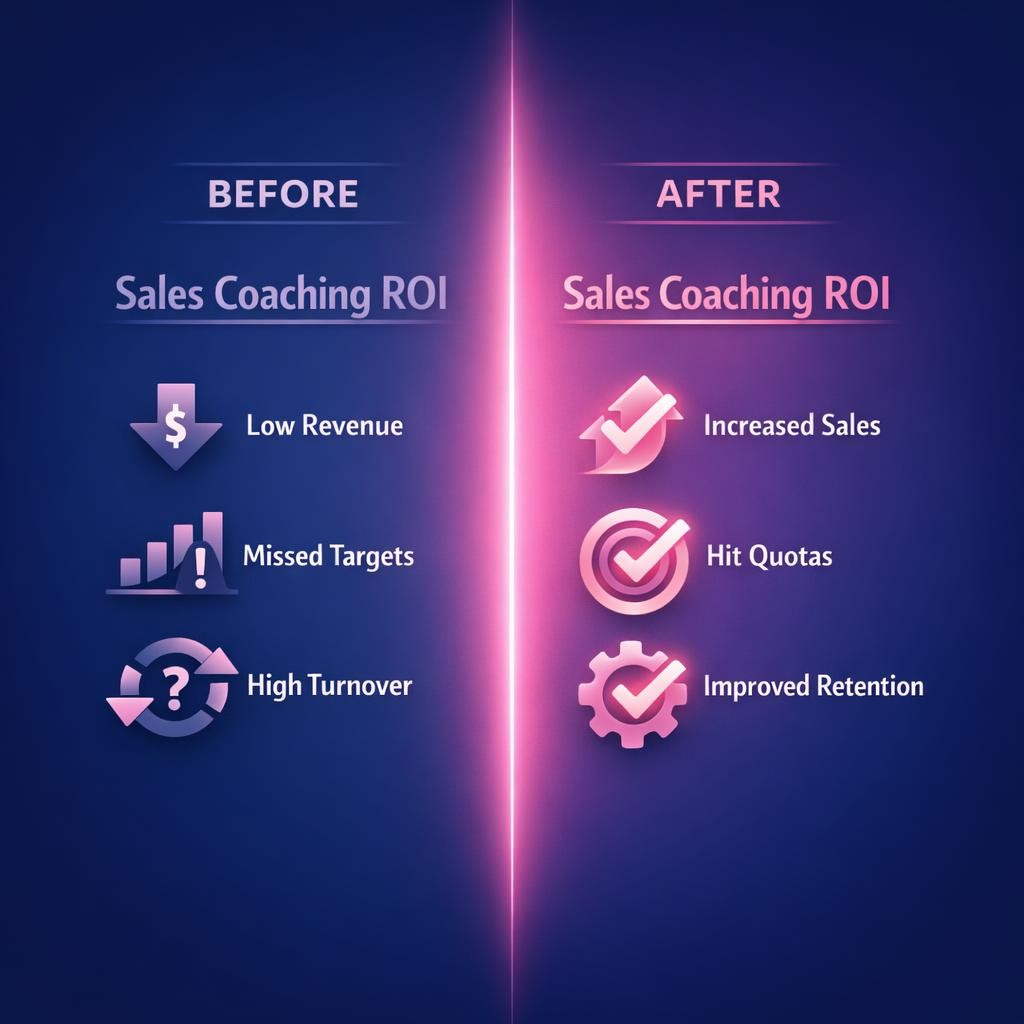
Define ownership and operating standards
An operating model answers three questions: what actions should happen, at what stage, and who is accountable. Document what execution should look like at each stage so managers and representatives can use shared standards.
Assign a leadership owner who is accountable for outcomes, not just activities. The owner sets goals, defines metrics, and keeps the approach aligned with changing market conditions.
Document and teach the process, then reinforce it through embedded workflows and manager reviews. Related platform information is available on the Revspire Sales Coaching page.
Revspire’s sales training reinforcement plan turns that principle into a 30-day sequence of retrieval, varied practice, manager follow-up, and evidence review.
Select operational indicators
Connect sales coaching measures to revenue outcomes and review leading and lagging indicators together.
- Leading indicators: stakeholder engagement rates, content consumption, mutual action plan progression, and deal velocity at each stage.
- Lagging indicators: win rate, sales-cycle duration, average deal size, and quota attainment.
- Diagnostic measures: conversion rates at each stage, time in stage, and the observed relationship between defined behaviors and win rates.
Build a dashboard that shows leading and lagging indicators. Review it weekly and connect the findings to coaching conversations and territory reviews. Pair those signals with a weekly coaching-capacity triage model so the dashboard does not turn every observation into immediate manager work.
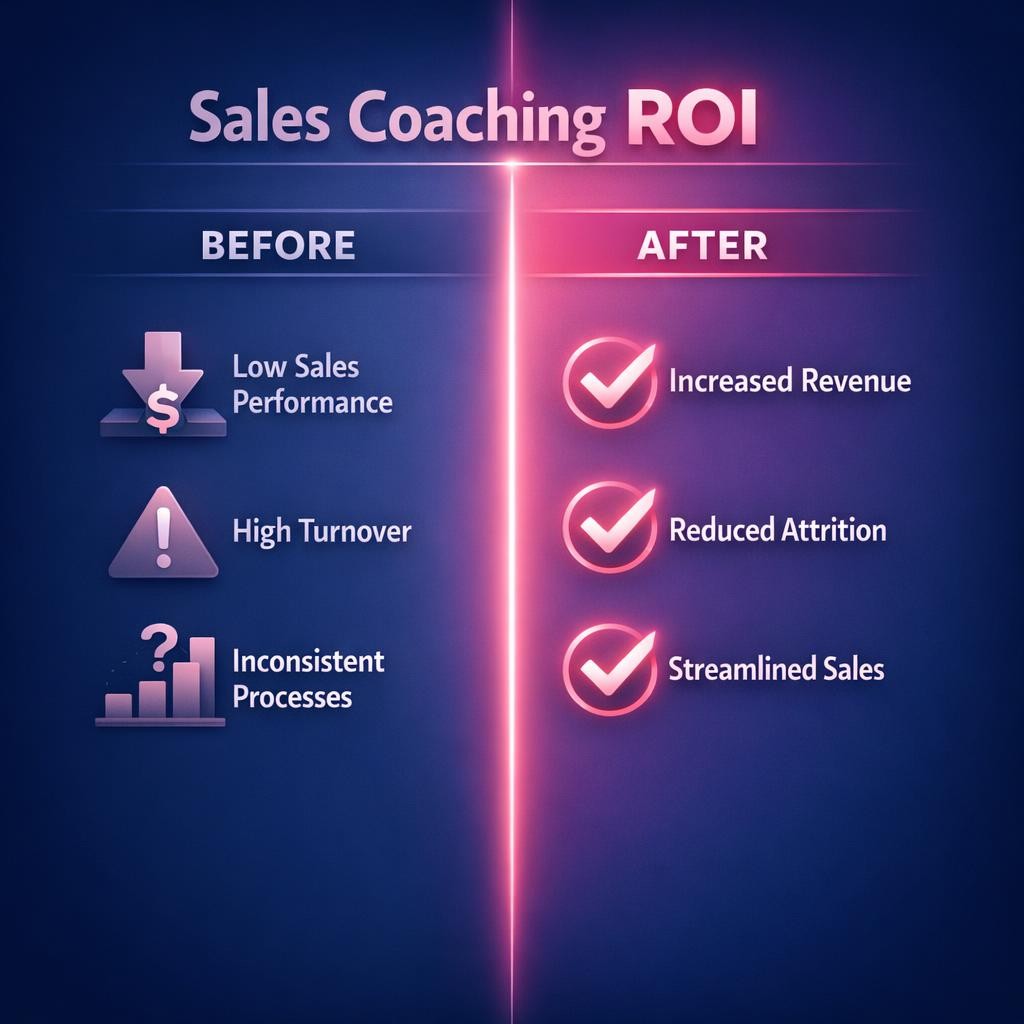
Coach with live opportunities
Review live opportunities with each representative, identify where execution breaks down, and work through the correction in context.
Use a consistent record for the coaching unit being measured. Revspire’s sales coaching evidence log, feedback form, and action tracker templates connect the source moment to one agreed behavior and a reviewed outcome, giving the dashboard a traceable operational input.
Add a standing review to the weekly cadence. Use it to discuss what should change next rather than limiting it to a status update.
At the meeting level, the one-on-one sales coaching agenda and follow-up plan makes the measurement unit explicit: evidence considered, behavior chosen, application opportunity, and reviewed outcome.
Align technology and data
Technology should serve the sales coaching measurement process, not define it. Evaluate each tool by whether it makes the process easier and more consistent or adds friction.
Where existing systems permit it, connect CRM, engagement-platform, and deal-room data so information can flow without manual intervention.
Build a feedback loop
Capture observations from won and lost deals through post-deal interviews, CRM data analysis, and structured win-loss reviews. Feed relevant findings into playbooks, training, and strategy.
For significant lost opportunities, implement a structured loss review process, document the findings, and update the applicable playbook.
Address recurring execution problems
- One-time initiatives: assign a permanent owner and use standing reviews, defined metrics, and quarterly improvement goals.
- Intuition without portfolio evidence: define three to five leading indicators, track them weekly, and investigate disagreements between the data and the account narrative.
- Single-contact opportunities: map the buying committee, assign stakeholder coverage, and track engagement with each stakeholder.
- Activity without progress: review stage progression, buyer engagement quality, and stakeholder coverage instead of relying only on activity counts.
- Unexamined losses: use structured loss reviews and document the findings.
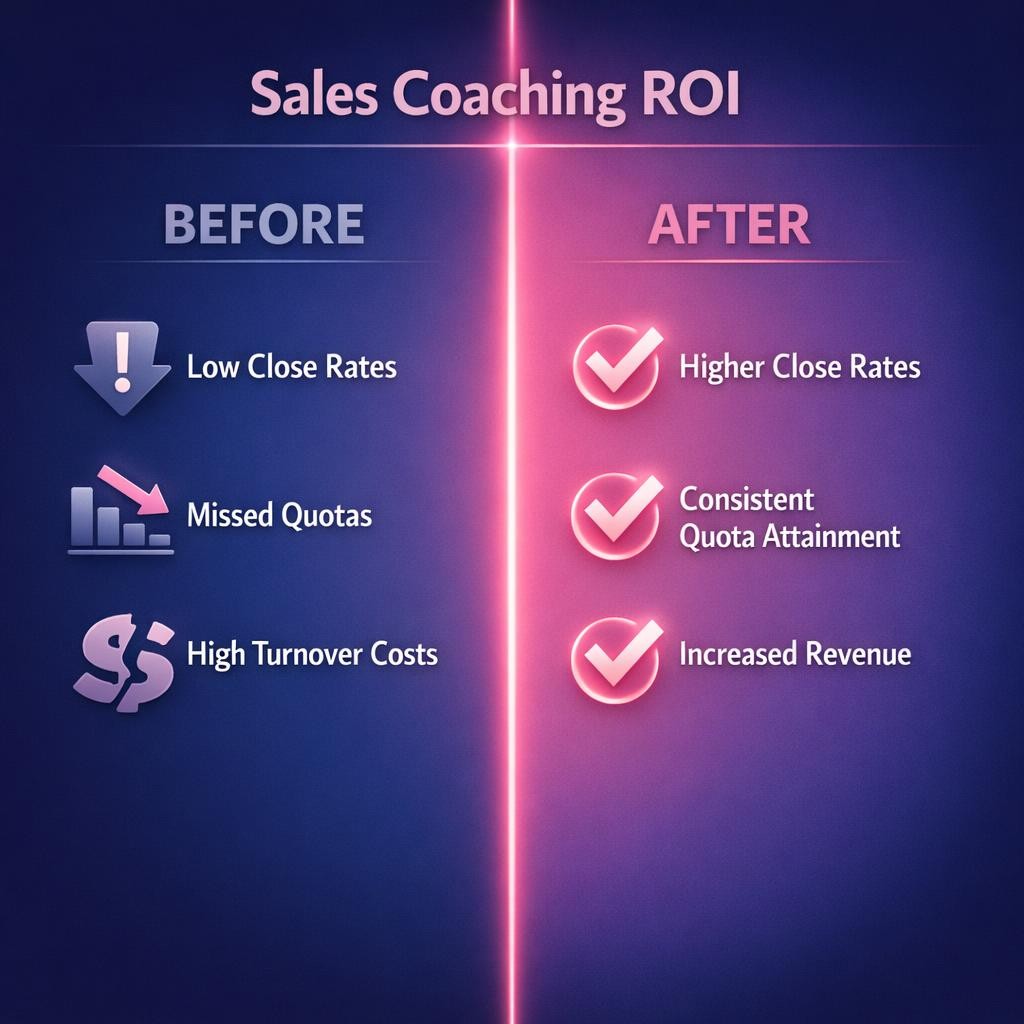
Run a 90-day measurement cycle
- Baseline: establish an honest baseline from available opportunity data.
- Prioritize: select two or three specific improvements.
- Assign: give each improvement a clear owner and measurable goal.
- Measure: define the leading, lagging, and diagnostic measures to review.
- Coach: use live opportunities in the weekly coaching cadence.
- Review: conduct the 90-day review and update the playbook with relevant findings.
Revspire helps B2B revenue teams build this foundation systematically. See a demo.
Leave a Reply