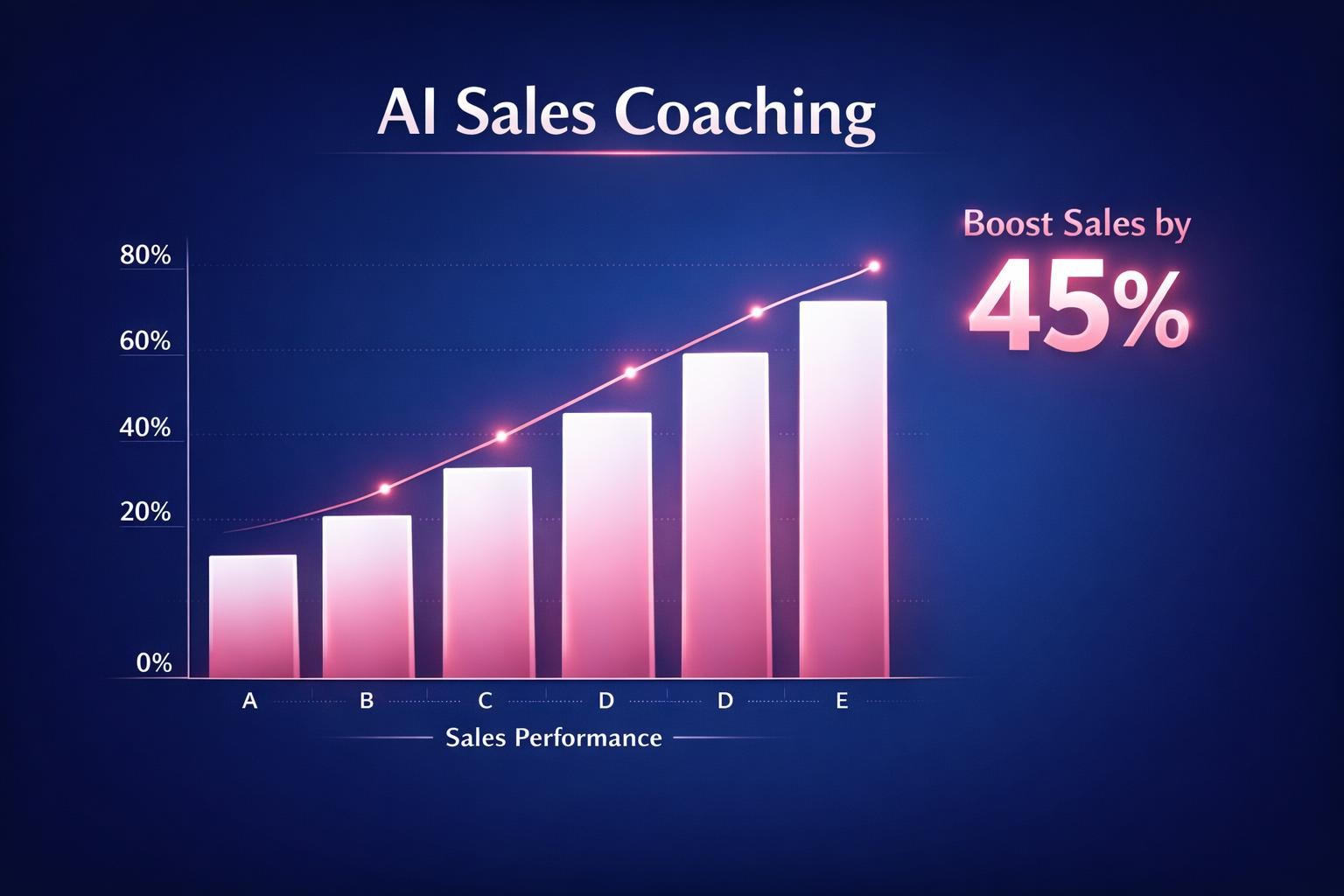
Effective AI sales coaching is an ongoing operational discipline rather than a one-time initiative. A practical system combines clear ownership, documented standards, deal-level coaching, useful metrics, and feedback from wins and losses.
Build the operating foundation
Assign clear ownership
Assign a permanent owner to AI sales coaching outcomes. That owner should set goals, define metrics, maintain the operating cadence, and ensure the approach evolves as the team learns.
Define what strong execution looks like
Document what excellent execution looks like at each stage of the deal and hold every rep accountable to the same standard. A shared definition makes it possible to coach, measure, and improve systematically.
Audit the current state
Review the last six months of deal data. Map opportunities by stage and identify where deals are falling out and why, including patterns by rep, segment, and deal size. Use the audit to identify the structural problems responsible for repeated losses or delays.
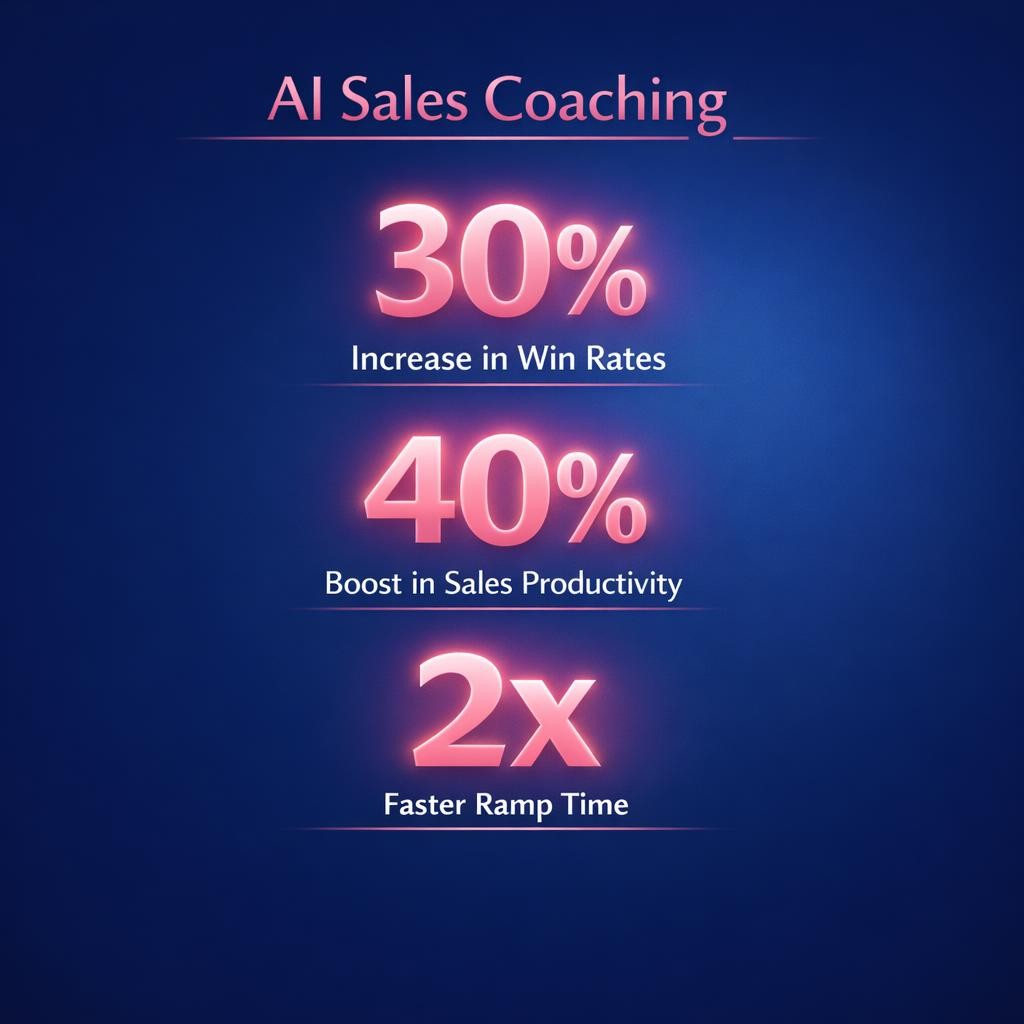
Put AI sales coaching into the weekly workflow
- Track leading indicators. Monitor signals such as stakeholder engagement, content consumption, mutual action plan progress, and deal velocity.
- Use a weekly cadence. Make AI sales coaching a standing part of pipeline reviews and focus the conversation on what must change during the next seven days.
- Coach live deals. Review real opportunities with each rep, identify the specific execution gap, and work through the correction in context.
- Capture win-loss intelligence. Use post-deal interviews, CRM data analysis, and structured reviews to feed lessons back into playbooks, training, and strategy.
- Align technology with the process. Evaluate whether each tool makes coaching easier and more consistent or adds friction.
- Create feedback loops. Review coaching metrics against targets, update playbooks when the team learns something new, and incorporate buyer feedback.
To turn a common coaching need into repeatable practice, use Revspire’s objection-handling framework, examples, and AI practice plan to define the response sequence, scenario constraints, and evidence managers should review.
For the recordkeeping layer, use Revspire’s copyable sales coaching templates to connect source evidence, AI-assisted feedback, one agreed action, and human review. The shared record ID makes the recommendation traceable without letting AI become the invisible approver.
Managers can run the conversation with this AI-assisted one-on-one sales coaching agenda, question set, and follow-up plan. It gives AI a bounded preparation role while keeping interpretation, agreement, and review with the manager and seller.
Correct common coaching mistakes
Treating coaching as a temporary project
Build coaching into the operating cadence with standing reviews, defined metrics, and quarterly improvement goals.
Relying on intuition instead of data
Define three to five leading indicators and track them weekly. When the data disagrees with intuition, investigate the discrepancy.
Single-threading a deal
Map the buying committee, assign stakeholder coverage, and flag deals with only one active contact as high risk.
Confusing activity with progress
Measure outcomes rather than activity alone. Track stage progression velocity, buyer engagement quality, and stakeholder coverage breadth.
Failing to learn from losses
Conduct a structured review after a significant lost deal, document the breakdowns that contributed to the loss, and update playbooks accordingly.
Measure outcomes, signals, and learning
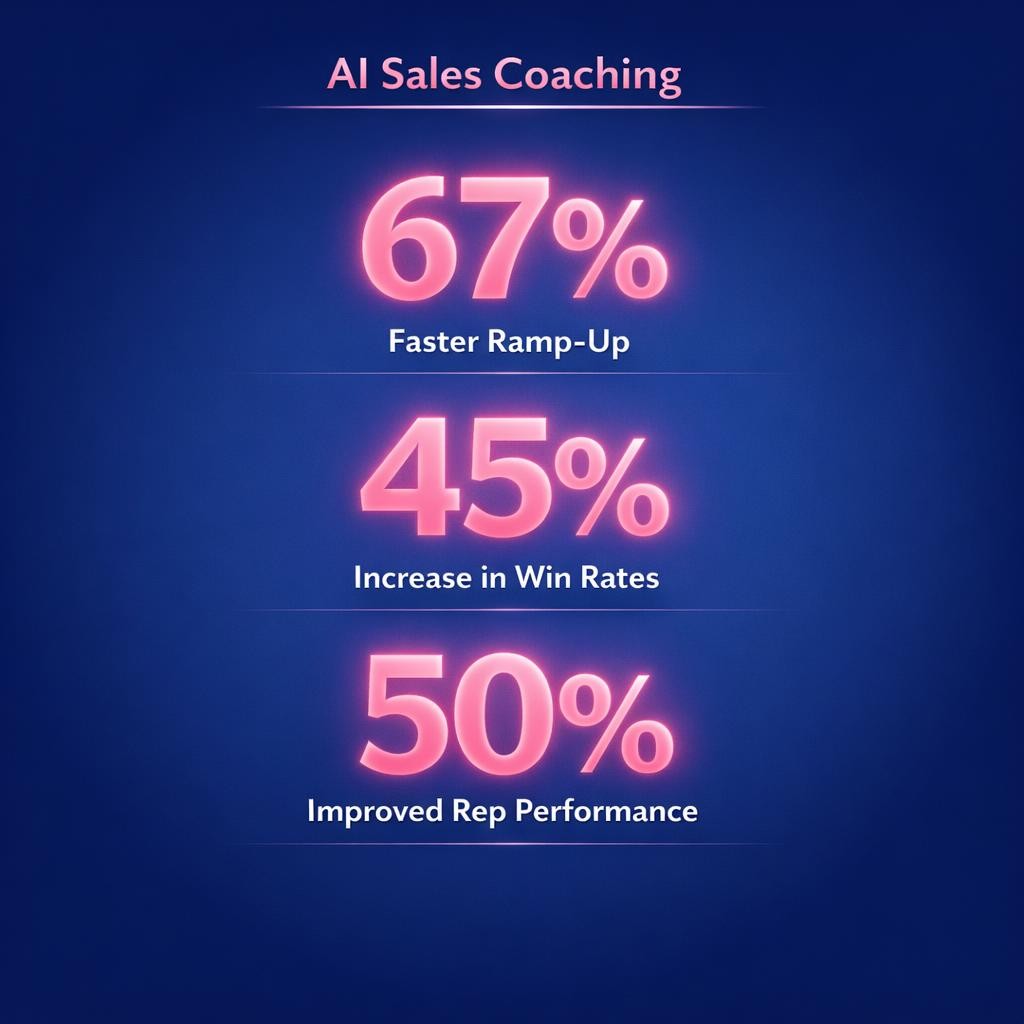
Use leading and lagging indicators together. Leading indicators help managers identify when intervention may be needed, while lagging indicators such as win rates, cycle times, and average deal sizes show whether the approach is working.
Review the dashboard weekly and connect it to coaching conversations and territory reviews. Use a clear owner, a measurable goal, and a 90-day review cadence for prioritized improvements.
Explore the platform
Learn more about Revspire Sales Coaching.
Leave a Reply